


When we buy laptops, monitors, TVs, or even phones, we encounter various types of display screens. LCD, IPS, and LED displays are somewhat outdated, and the currently most popular high-end display type is OLED. You may have heard about OLED variants like QD-OLED, QLED, AMOLED, and Mini LED. Do you know the differences between them? Which is more suitable for you?
Let’s first look at their Chinese scientific names:
- OLED: Organic Light Emitting Diode
- QD-OLED: Quantum Dot Organic Light Emitting Diode
- QLED: Quantum Dot Light Emitting Diode
- AMOLED: Active Matrix Organic Light Emitting Diode
- Mini LED: Mini Light Emitting Diode
Next, we will compare them using various parameters:
01
Brightness: QD-OLED, QLED, Mini LED, AMOLED and OLED
In laptops, TVs, monitors, phones, and other displays, the unit used to describe brightness is nits. The higher the number of nits a display supports, the brighter it is.
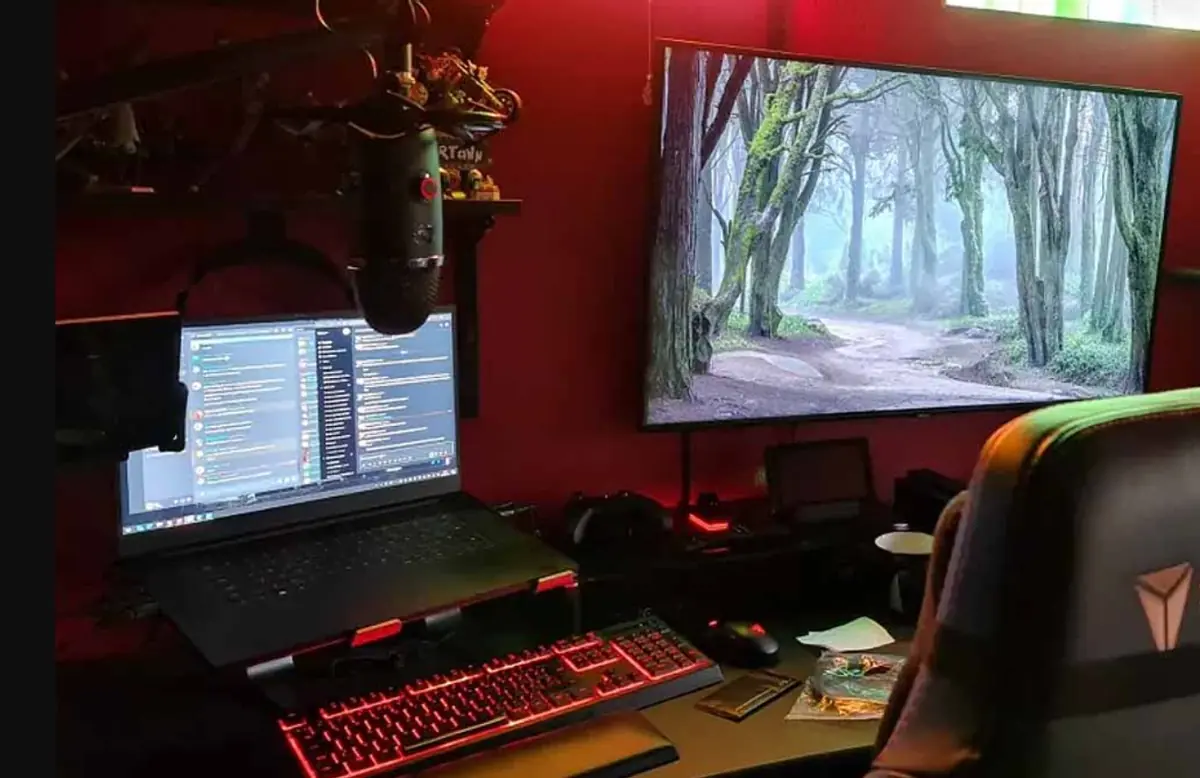
- QD-OLED: Quantum dot technology makes QD-OLED displays superior to standard OLED screens, achieving brightness levels up to 2000 nits.
- QLED: QLED displays can be very bright, with some reaching up to 1000 nits.
- Mini LED: Mini LED displays can reach brightness levels of up to 800 nits.
- AMOLED: Capable of reaching 600 nits, it’s neither the brightest nor the dimmest option.
- OLED: Most OLED panels only reach up to 200 nits, significantly lower than other displays.
Winner in Brightness: QD-OLED takes the gold for brightness. They also have good viewing angles but are prone to screen burn-in issues.
02
Viewing Angles: QD-OLED, OLED, AMOLED, Mini LED and QLED
The ideal viewing position is sitting straight in front of the screen at eye level. However, due to different constructions of displays, some screens may show distortion or darkness from the sides, and some may even experience color distortion. The viewing angle is a crucial factor.
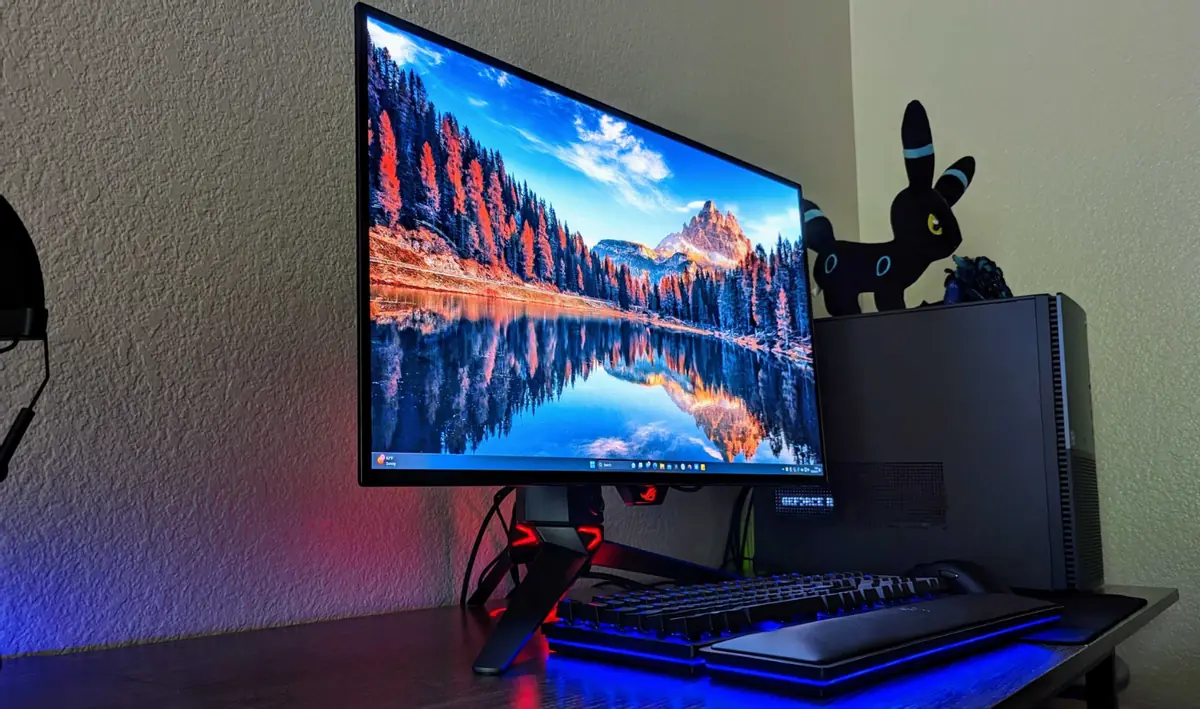
- QD-OLED: Thanks to its technology, QD-OLED screens currently offer a wider viewing angle than OLED displays. The image remains clear and color-rich from any position.
- OLED: Unless viewed from an extreme side angle, OLED displays consistently provide clear, unobstructed images.
- AMOLED: Similar viewing angles to OLED, but colors are more prone to oversaturation.
- Mini LED: Better than most IPS, LCD, and LED displays, but Mini LED panels don’t have the best viewing angles, especially compared to OLED and AMOLED.
- QLED: Modern QLED panels typically have a limited viewing angle of around 55 degrees, which is not ideal for large-room TV setups.
Winner: Undoubtedly, QD-OLED displays have the best image quality from various angles. Combined with accurate color reproduction, excellent true black imagery, and good brightness levels, they are the top choice.
03
Latency, Response Time, and Refresh Rate: QD-OLED, OLED, AMOLED, Mini LED and QLED
Latency (also known as lag) is the delay between a system sending a signal and the display showing it. Response time is measured in milliseconds (ms) and refers to how quickly a pixel can change colors. Refresh rate, measured in Hertz (Hz), describes how often a display can show new images per second.
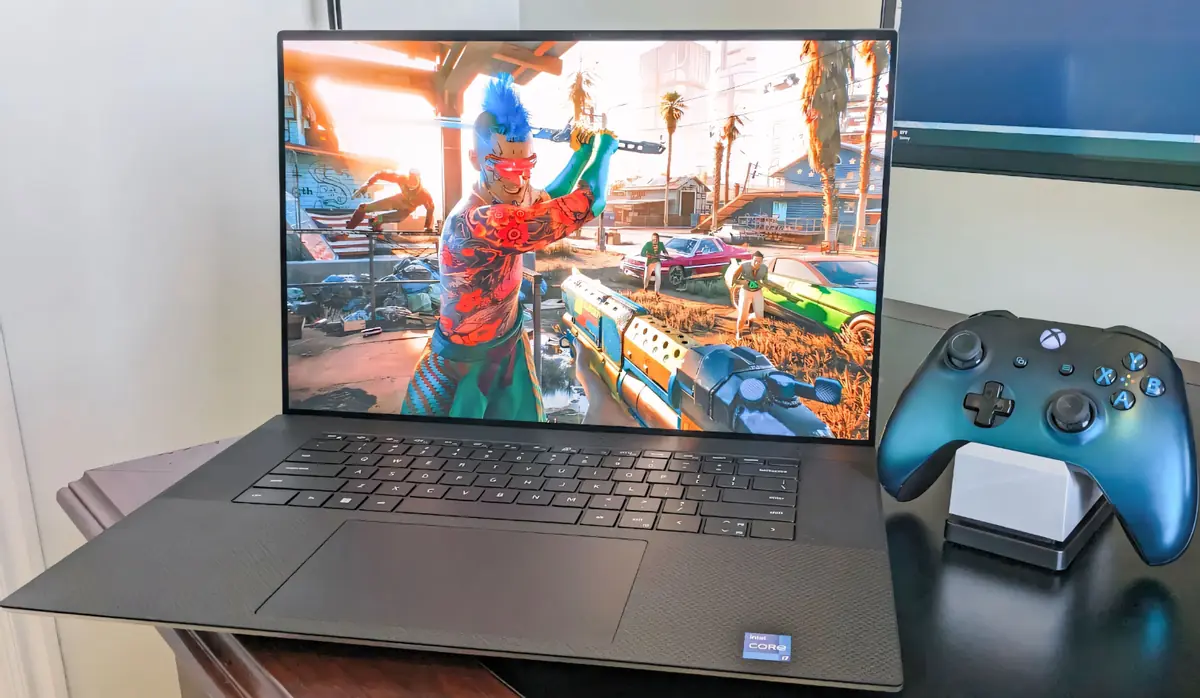
Ideally, displays should have low latency, high response time, and a faster refresh rate to display images promptly.
- QD-OLED: The latest displays offer ultra-fast response times of 0.03 milliseconds and refresh rates up to 360 Hz (or even higher).
- OLED: Can have response times as low as 0.1 milliseconds to 1 milliseconds, and refresh rates of 60 Hz, 120 Hz, or 240 Hz.
- AMOLED: Typically features response times below 1 millisecond, and refresh rates of 60 Hz, 120 Hz, or 240 Hz.
- Mini LED: Mini LED provides response times between 1 millisecond and 4 milliseconds, with refresh rates up to 240 Hz.
- QLED: On average, QLED displays have response times between 2 milliseconds and 8 milliseconds, with a maximum refresh rate of 120 Hz.
Winner: Based on various tests, the current fastest option is the QD-OLED display, making it an ideal choice for gamers or tech enthusiasts.
04
Color Accuracy and Contrast: AMOLED, QD-OLED, OLED, Mini LED and QLED
Color accuracy refers to how well a panel can accurately render the hues, colors, and shades requested by a system. It is measured in several different units, including sRGB, Adobe RGB, and DCI-P3 (or simply P3). The closer a display is to 100% in each measurement, the more true-to-life the colors it displays.
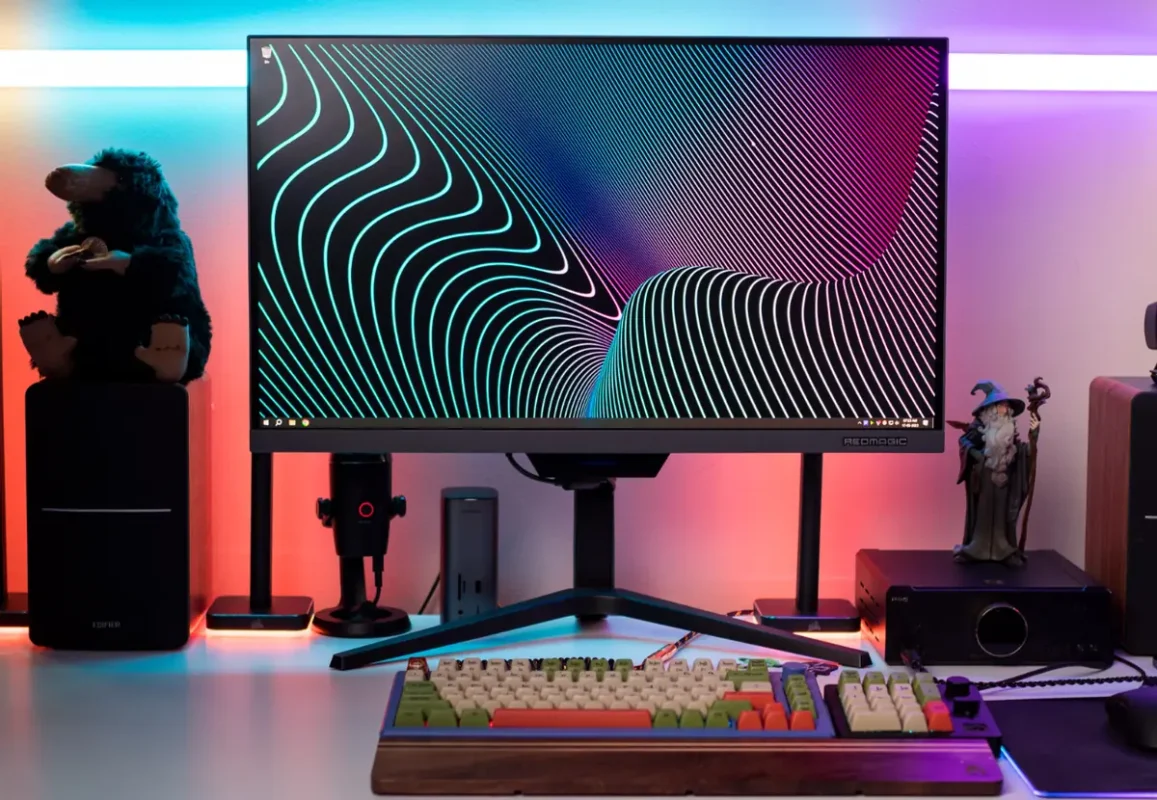
- AMOLED: The technology used to create AMOLED produces the most vibrant tones, even surpassing OLED. You can expect it to reach 100% sRGB or very close to it.
- QD-OLED: QD-OLEDs, with their stronger contrast and ability to achieve true blacks, display saturated colors more effectively than many other panel types. They typically achieve 98% to 100% sRGB. Plus, their higher brightness than OLED allows for better color brilliance in more viewing scenarios.
- OLED: Ranked below QD-OLED due to its lower brightness, making it not always the best choice in certain scenarios.
- Mini LED: The contrast is usually not as good as OLED, hence the image presentation might not be as superior as OLED or AMOLED displays. However, Mini LEDs excel at displaying saturated tones, usually achieving 97% to 100% sRGB.
- QLED: Among these four types, QLED has the lowest color accuracy, but the margin isn’t significant. They typically produce about 95% or higher sRGB.
Winner: AMOLED is the king of color accuracy, with a narrow lead. OLED and Mini LED are close contenders.
05
Durability and Reliability: Mini LED, QLED, AMOLED, OLED and QD-OLED
When considering the durability of displays, flexibility, or the brittleness of the panel, is an important factor. Screen burn-in, an unsightly permanent discoloration similar to ghost images left on the display when showing new images, also needs to be considered.

- Mini LED: Due to the screen technology used, Mini LEDs don’t generate excessive heat and are less likely to suffer from brightness degradation, making them more reliable than OLEDs in this aspect.
- QLED: QLED displays are specially manufactured with more flexible substrates, making them more stretchable. Additionally, the barrier particle technology used in QLEDs makes them less prone to screen burn-in.
- AMOLED: Like OLED, there’s a significant difference between newer and older technologies, which should be noted.
- OLED: Older OLED models had burn-in issues, but the latest OLED technology has addressed this problem by adding extra preventative measures (including both software and hardware). However, some displays might be more susceptible to damage when bent or stretched.
- QD-OLED: QD-OLEDs are more prone to screen burn-in compared to other types of displays, which lowers their score in terms of lifespan.
Winner: Mini LED is currently the most durable and reliable display.
06
Price: OLED, Mini LED, QLED, QD-OLED and AMOLED
- QLED: The price can vary greatly due to its manufacturing materials. QLEDs made using standard LEDs can be very affordable. However, Samsung has introduced some high-end QLED TVs using Mini LEDs instead of standard LEDs, significantly increasing their cost.
- Mini LED: On average, their cost tends to be about 10% lower than modern OLEDs.
- OLED: Due to its complex construction and popularity, OLEDs are more expensive and maintain their status as high-end, sought-after displays in today’s market.
- QD-OLED: Their manufacturing cost is higher than OLEDs because they have an additional quantum dot layer.
- AMOLED: Its construction, which makes it more flexible, makes it the most expensive display option here.
Winner: The price range of QLED displays varies based on their manufacturing materials, making them much more affordable than other types of displays in certain situations.
Considering factors like brightness, viewing angles, latency, response time, refresh rate, color accuracy, contrast, durability, reliability, and price:
- Brightness: QD-OLED displays are the brightest, reaching up to 2000 nits.
- Viewing Angles: QD-OLED offers the best viewing angles with clear, color-rich images from any position.
- Latency, Response Time, and Refresh Rate: QD-OLED stands out with ultra-fast response times and high refresh rates, making it ideal for gamers and tech enthusiasts.
- Color Accuracy and Contrast: AMOLED leads in color accuracy but is closely followed by OLED and Mini LED.
- Durability and Reliability: Mini LED is the most durable and reliable, with less susceptibility to screen burn-in and brightness degradation.
- Price: QLED displays offer a wide price range, making them more affordable in certain cases.
07
Conclusion
- Best Overall: QD-OLED emerges as the best overall, excelling in brightness, viewing angles, response times, and refresh rates. However, it falls short in terms of durability and price.
- For Color Accuracy: AMOLED is the winner.
- For Durability and Reliability: Mini LED is the top choice.
- Budget-Friendly Option: QLED displays are more versatile in pricing and can be a more economical choice.
Each technology has its strengths and weaknesses, and the best choice ultimately depends on the specific needs and priorities of the user. QD-OLED seems to offer the most advanced technology overall, but for those concerned about durability or working within a budget, Mini LED and QLED are strong contenders.

Related:
- OLED Screen Lifespan Extended: New Breakthrough Solution!
- Decoding Resolutions: 4K, 1440p, or 1080p Monitor?