


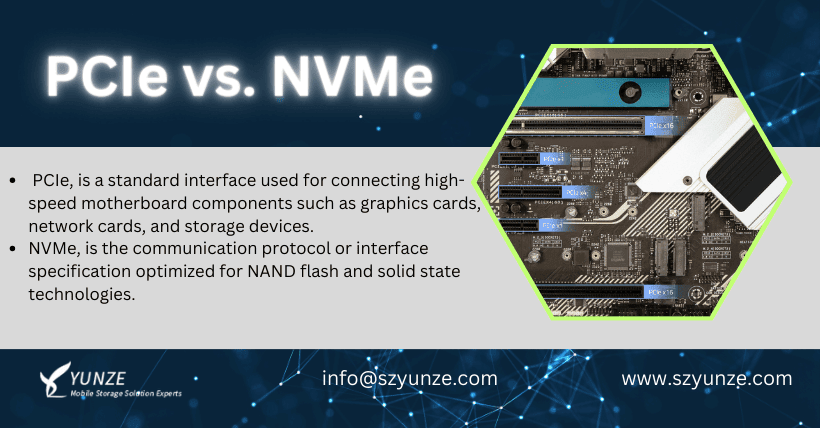
In this comprehensive guide, we delve into the intricacies of PCIe and NVMe, shedding light on their distinct characteristics, benefits, and applications. Understanding the differences between PCIe and NVMe is essential for making informed decisions about your storage and data transfer needs.
Introduction
When it comes to storage and data transfer technology, two acronyms frequently surface: PCIe and NVMe. These terms often create confusion, as they are used interchangeably, despite representing distinct components of modern computer systems. To clear the air and help you make informed choices, we’ll break down the differences between PCIe (Peripheral Component Interconnect Express) and NVMe (Non-Volatile Memory Express) in this informative guide.
PCIe: The Backbone of Modern Computing
PCIe Overview
PCIe, short for Peripheral Component Interconnect Express, is a high-speed interface standard that serves as the backbone of modern computing. It is crucial for connecting various hardware components within your computer, such as graphics cards, network cards, and storage devices.
Key Features of PCIe

- Speed: PCIe offers unparalleled data transfer speeds, with each lane capable of transmitting data at rates of up to 1 GB/s. It supports multiple routes, further enhancing its throughput.
- Scalability: PCIe is highly scalable, with different versions providing varying numbers of lanes (e.g., PCIe x1, PCIe x4, PCIe x16). This flexibility allows for easy customization of your system’s capabilities.
- Compatibility: PCIe is compatible with various hardware components and is widely adopted across the industry, making it a versatile and reliable choice.
Applications of PCIe
PCIe finds applications in various domains:
- Graphics Cards: PCIe is the standard interface for connecting graphics cards, ensuring smooth and high-performance gaming and graphical applications.
- Storage: PCIe interfaces are commonly used in SSDs (Solid State Drives) to provide lightning-fast data access and transfer speeds.
- Networking: Network cards often utilize PCIe interfaces to deliver high-speed internet connectivity.
NVMe: Revolutionizing Storage
NVMe Overview
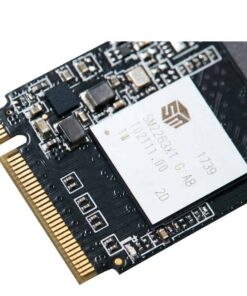
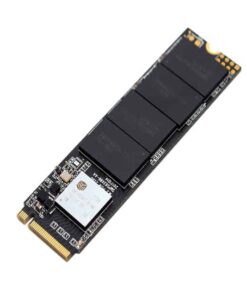
Non-volatile memory Express (NVMe) is a protocol designed explicitly for flash storage devices like SSDs. It offers a significant leap in performance compared to traditional storage interfaces, making it a game-changer for data-intensive applications.
Key Features of NVMe
- Low Latency: NVMe minimizes data access latency, resulting in lightning-fast response times for read and write operations.
- Parallelism: NVMe SSDs can handle multiple data requests simultaneously, thanks to their advanced parallel processing capabilities.
- Efficiency: NVMe is highly efficient, minimizing CPU overhead and maximizing the utilization of storage devices.
Applications of NVMe
NVMe is gaining prominence in various industries:
- Data Centers: NVMe SSDs are becoming the standard in data centers, enabling rapid data processing and reduced server latency.
- Gaming: Gamers benefit from NVMe SSDs for faster loading times and smoother gaming experiences.
- Content Creation: Professionals in video editing and content creation rely on NVMe SSDs to handle large media files effortlessly.
PCIe vs. NVMe: A Closer Comparison
Now that we’ve explored the individual features of PCIe and NVMe, let’s put them side by side for a direct comparison.
| Feature | PCIe | NVMe |
|---|---|---|
| Data Transfer Speed | High, with up to 1 GB/s per lane | Exceptionally high, low latency |
| Scalability | Highly scalable with various lane options | Focused on flash storage optimization |
| Common Applications | Graphics cards, network cards, storage devices | SSDs, data centers, gaming |
| CPU Overhead | Minimal | Minimal |
Choosing the Right Option
Selecting between PCIe and NVMe depends on your specific requirements. PCIe is the go-to choice if you seek high-speed connectivity for various hardware components like graphics cards or network adapters. However, if you prioritize lightning-fast storage and low latency, NVMe SSDs are the clear winner.
In conclusion, understanding the differences between PCIe and NVMe is vital for optimizing your computer system’s performance. Whether you’re a gamer, a content creator, or managing a data center, making the right choice between these two technologies can significantly impact your workflow. It’s all about finding the perfect balance between high-speed data transfer and low latency to meet your unique needs.
Make an informed decision and enjoy a more efficient computing experience with either PCIe or NVMe, tailored to your specific requirements.

H-series